Comparing aquatic environmental DNA collection methods across a diel cycle in a lotic system
Abstract
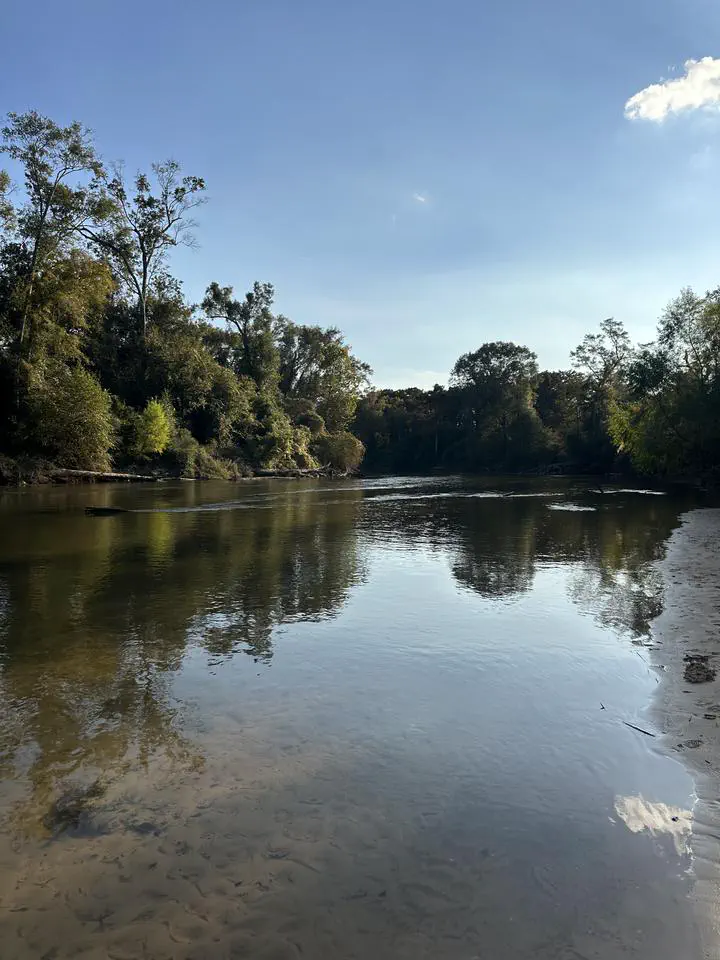
Environmental DNA (eDNA) sampling often requires a single sample collected at one point in time—a snapshot approach that provides limited information on biodiversity across temporal scales. To address this limitation, water samples were collected over 25h from a single site on the Tangipahoa River in Louisiana, utilizing active and passive sampling methods. Active sampling involved collecting water samples from a predefined location at hourly intervals for 25h, whereas passive sampling involved deploying a stationary filter for the entire duration. All water samples were filtered through glass microfiber filters, extracted, PCR-amplified targeting the 12S mtDNA region for fishes, and sequenced using Illumina technology following a pre-established protocol. The methods used for eDNA detection produced varying species richness metrics—active sampling identified 58 species, whereas passive sampling identified 37 species. On average, active sampling detected fewer species (mean 19, range 2–45) from a single hourly sample than the cumulative findings from passive sampling (totaling 37). Using a similarity clustering analysis, patterns associated with the time of day—civil twilight (daylight) versus dark (night)—showed significant differences (p=0.016), although the distinction between the clusters was weak (R-stat=0.17). These findings demonstrate that detection outcomes depend on sampling time and indicate that passive eDNA sampling integrates detections across time rather than representing a single sampling moment. This study illustrates the complexities of eDNA-based fish assemblage assessments and emphasizes the need for further research to optimize methodologies for accurate biodiversity monitoring.
Camden Oathout
Research Associate

Tyler Steven Coleman
Assistant Professor
My research interests lie at the interface between ecology (e.g., population, community, behavioral), biology (e.g., physiology, morphology, ontogeny), and natural resource management.